

Day Two of the IT SPOT 2025 Conference: Enhancing Enterprises with AI Agents and Skepticism in the IT Industry
November 19, 2025
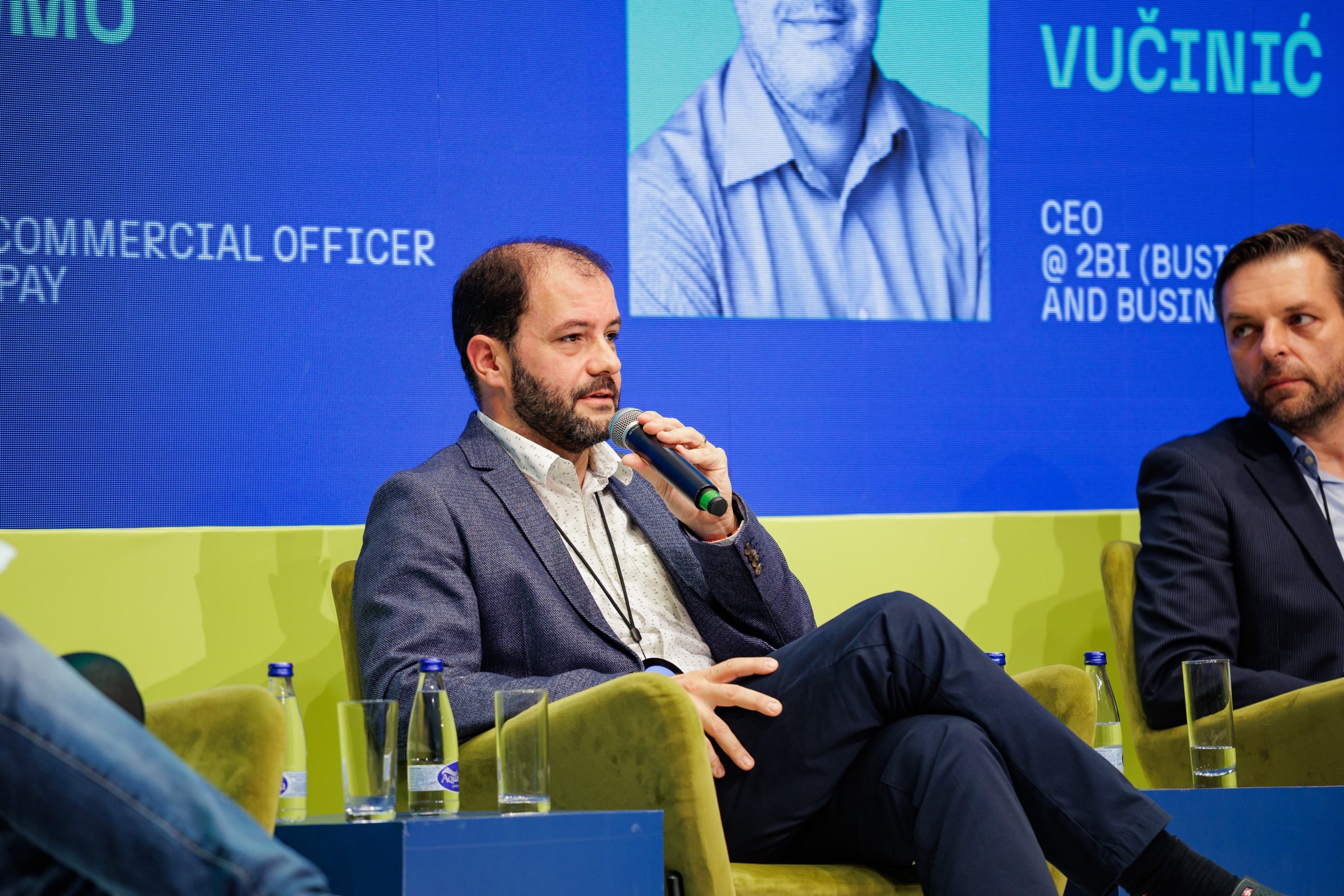
The final panel of the third edition of Montenegro’s leading technology conference, IT SPOT 2025, was dedicated to the fintech sector in the Balkans.
Nataša Raičević, Director of the Directorate for Regulation, Licensing, Approvals, Supervision, and Measures at the Central Bank of Montenegro, as one of the panel participants, highlighted the achievements in the fintech field made so far in Montenegro.
“We have achieved a complete regulatory overhaul and are part of the SEPA project. Now that all Montenegrin banks have joined the SEPA credit transfer scheme, we can announce the arrival of the TIPS Clone system. This will be an exact replica of the unique European payment system, which we believe is the most appropriate way to bring instant payment capabilities to Montenegro. There have long been desires and plans to establish instant payments, and now it is finally happening. We can expect implementation to begin in mid-2026,” Raičević stated.
Raičević emphasized that there are high expectations for the introduction of instant payments.
“We believe this will provide a strong incentive for new products, new applications, and new e-wallets. We expect such innovations to arrive in our country. Everything will be instant, which is great for the new generations who want everything to be fast, but also secure,” Raičević stated.
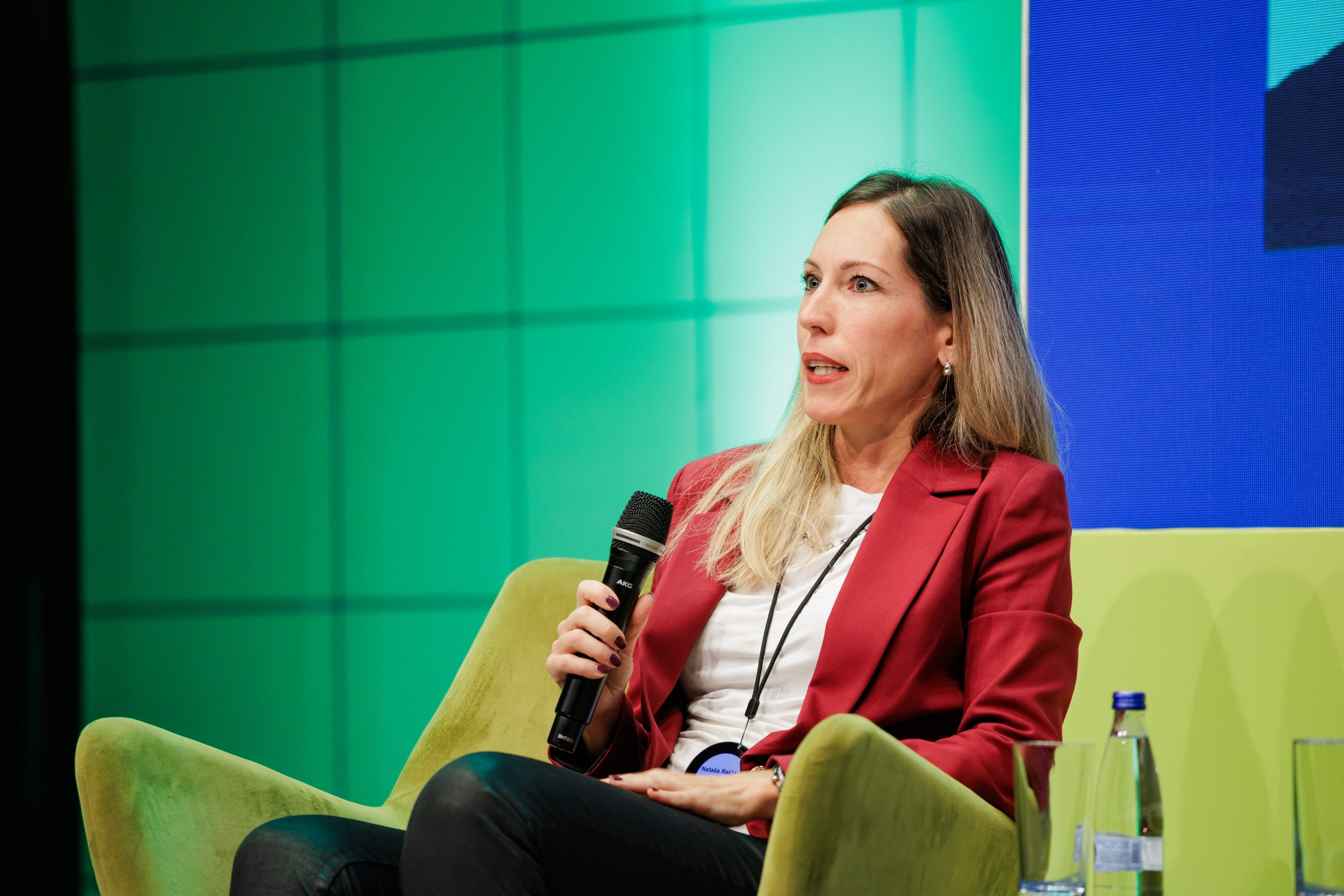
She noted that the Central Bank is not the only institution that can contribute to the further development of the fintech sector in Montenegro.
“The fintech strategy encompasses all regulators, the government, educational institutions, and both the private and public sectors. Many activities are needed to enable the continued development of the fintech sector as a whole,” added the Director of the Directorate for Regulation, Licensing, Approvals, Supervision, and Measures.
Aleksandar Borozan, Director of Product Development, Digital Channels, and Insurance Representation at Addiko Bank, also expressed satisfaction with Montenegro joining the SEPA system.
“As a bank, we are investing heavily to be ready to support all preparations for the introduction of instant payments. After instant payments are implemented, the payment ecosystem will no longer be the same. It will enable Peer-to-Peer (P2P) payments and create opportunities for many fintech companies to find favorable ground for further business development. By July next year, we will reach a point where we are ready for such an ecosystem,” Borozan stated.
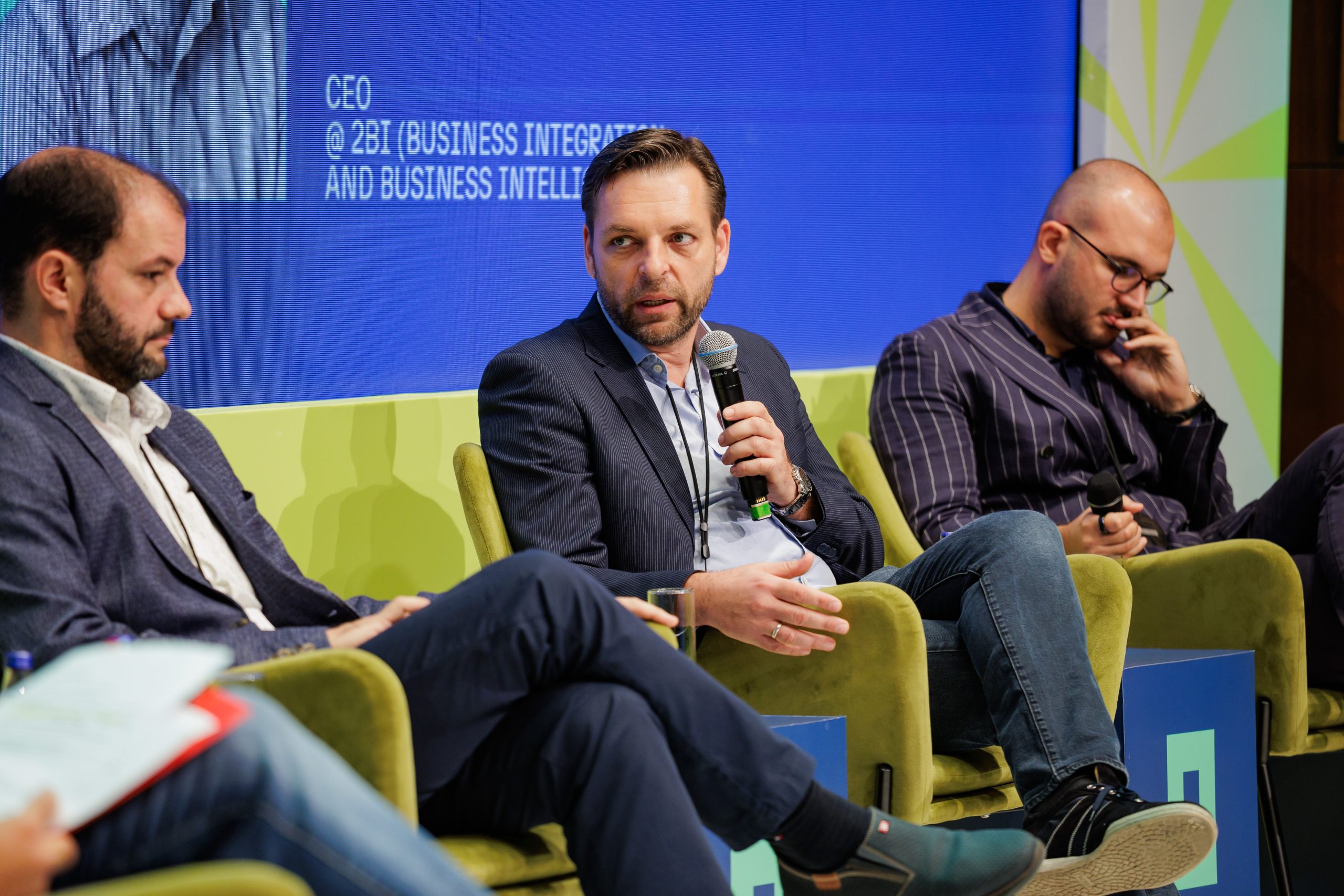
Ivan Vučinić, CEO of 2BI, recalled that the transformation began with paying for parking by card and the digitalization of taxi services.
“Since we still do not have instant payments but do have digitalization, taxi drivers do not allow payment via digital kiosks. The problem is not with the technology, but with the business model, which relies on cash and thus cannot receive money immediately. With instant payments, we can solve these problems. SEPA provides the infrastructure we will need for future services,” Vučinić stated.
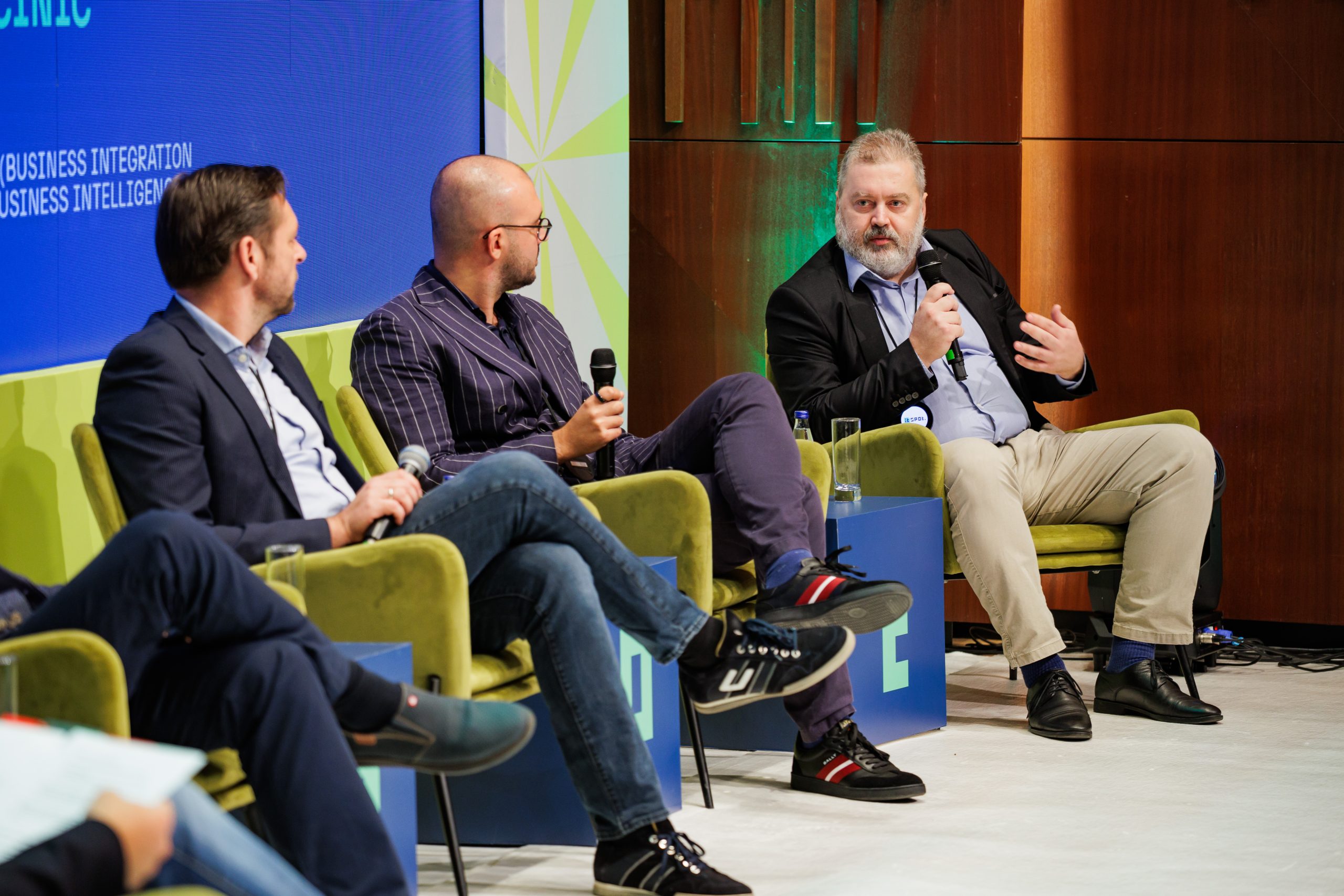
Deivis Shomo, Chief Commercial Officer at Easypay, compared the situation in Montenegro with the development of the fintech sector in Albania.
“We feel that more has been achieved this year than in the entire past decade. We started with open banking when Easypay became the first licensed institution. Easypay introduced real-time payment capabilities 15 years ago. It is good to think globally, but act locally. It is important to address local challenges first and then consider the global perspective. The main goal is to convert as many cash users as possible into e-wallet users,” Shomo explained.
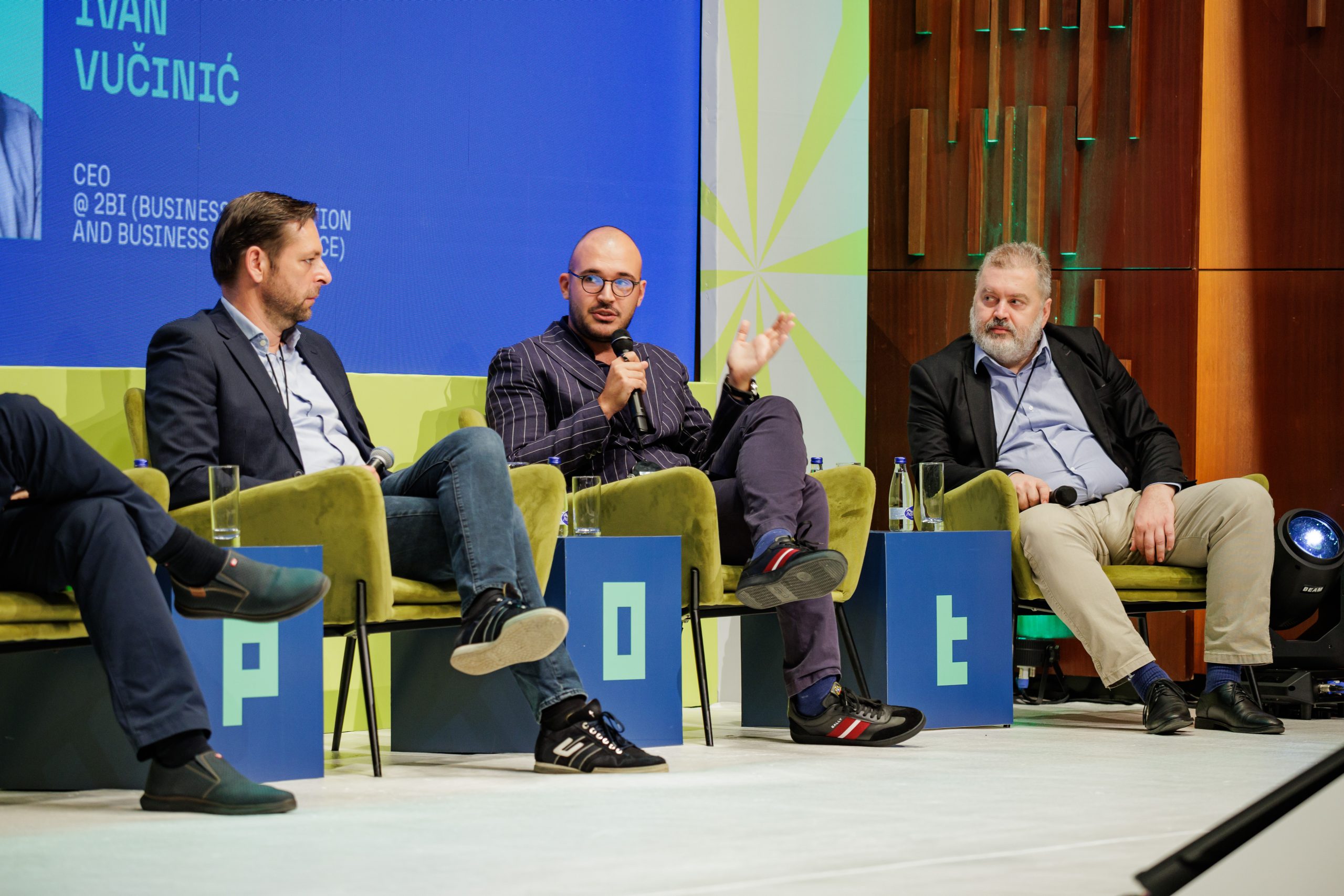
Fedor Bauer, representative of the KEKS PAY application from Croatia, pointed out that significant changes are still needed in the Balkans regarding the fintech sector.
“We need to progress faster; we need to work at fintech speed. However, I believe Montenegro is on the right path. I congratulate you on this great achievement, which is significant for the entire region. You are one step ahead in preparing for the next phase. I believe this transformation will change commerce entirely,” Bauer stated.
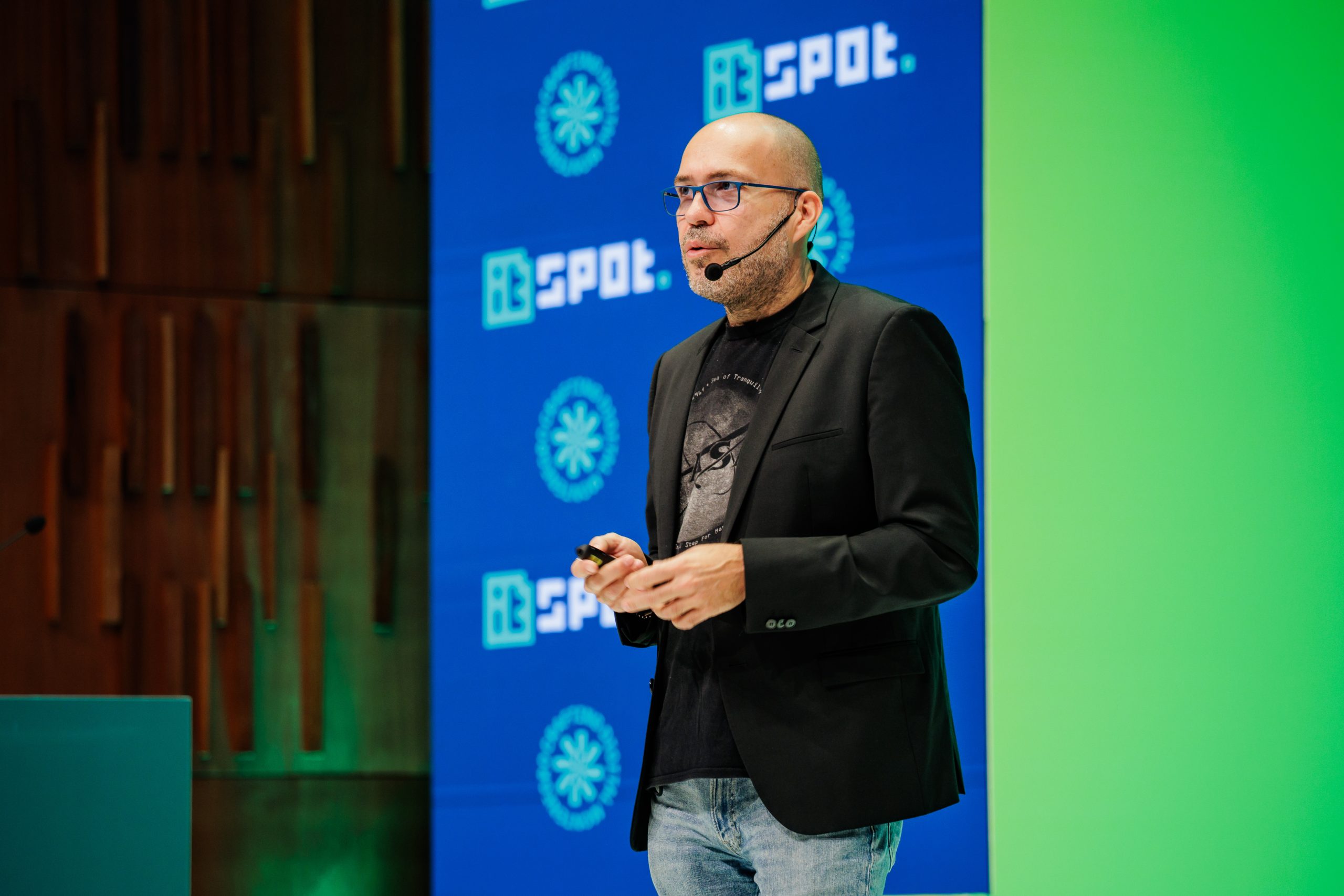
The final part of this year’s IT SPOT conference program provided an opportunity for participants to hear several insightful presentations. Matteo Rizzi, founder of Timepledge.org, delivered a presentation on how fintech can contribute to society. Dragan Petrić, CEO of Bug Magazine, spoke about how technology can redefine human lifespan, while Radosław Sznajder, Head of Support at Voluum / Codevise, further introduced the audience to the new generation of artificial intelligence.
Thanks to a diverse program in which participants had the chance to hear experts in the fields of artificial intelligence, fintech, cybersecurity, and digital transformation—and to learn through masterclass sessions and practical examples how the latest trends can be applied in everyday business—IT SPOT once again justified its status as Montenegro’s leading technology conference.
The NGO ICT Cortex proved to be an excellent host once again, welcoming nearly 500 participants to the conference space at the Montenegrin Music Center, as well as representatives of companies such as AWS (Amazon Web Services), Infobip, TikTok, X, SmartCat, Bug, and many others.
This year’s edition of the IT SPOT conference was successfully realized thanks to the dedicated work of the ICT Cortex team, with the support of the Chamber of Commerce of Montenegro, the Ministry of Culture and Media, the Central Bank of Montenegro, the Innovation Fund, and many other partners.


