

The third edition of Montenegro’s leading technology conference – IT SPOT 2025 – is underway
November 19, 2025
Day Two of the IT SPOT 2025 Conference: Enhancing Enterprises with AI Agents and Skepticism in the IT Industry
November 19, 2025
The two-day IT SPOT 2025 conference, organized by the NGO ICT Cortex in Podgorica, offered participants a combination of inspiring lectures, interactive workshops, and networking opportunities on its first day.
In the second part of today’s program, cybersecurity expert and CISO Jelena Zelenović Matone spoke about the complex role of artificial intelligence in the cybersecurity sector.
“Artificial intelligence can amplify both good and bad outcomes. AI depends on what we choose to do with it. We decide how we use AI. On the positive side, we see that AI helps us detect anomalies much faster than before, and we can identify and predict cyberattacks. Automated responses are also extremely important. Previously, it could take analysts several hours or even days to detect cyberattacks. Now, with AI, we have responses that take only seconds. We are working at machine speed. The downside is that we face deepfake attacks, where it is very difficult to distinguish what is real and what is not. The problem is that we do not have enough tools to, as experts, identify what is real and what is fake. We also see that AI can evolve and fight against our defenses. The most important thing is how we manage AI and what we do with it,” Zelenović Matone explained.
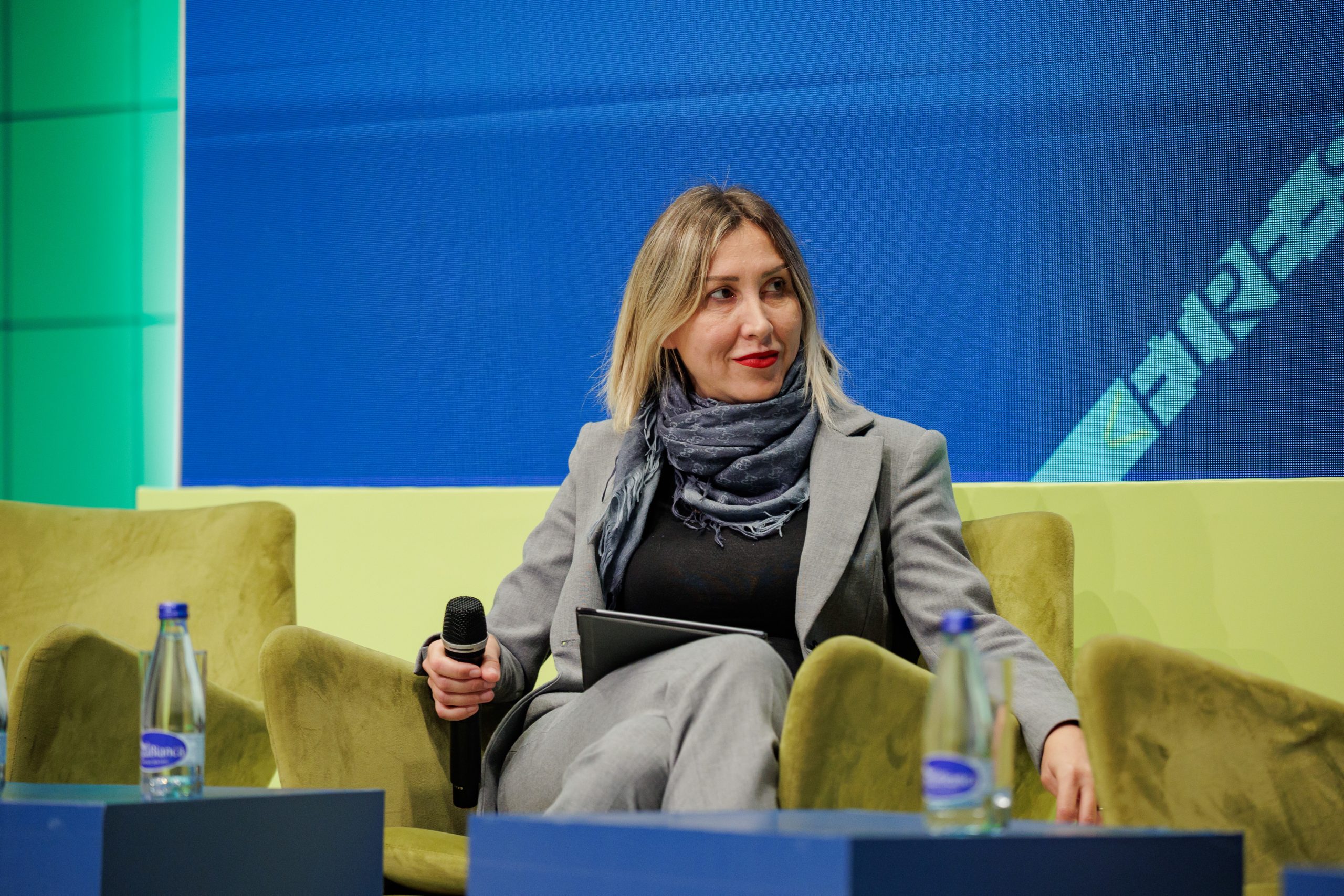
As part of the panel “Who Builds Cybersecurity in the Region,” Dr. Andreja Mihailović, President of Women4Cyber Montenegro, emphasized that the approach to artificial intelligence needs to change.
“The most important knowledge we can have today is not how to compete with artificial intelligence, but how to coexist with it. Cybersecurity used to close digital doors, but today it understands both human and artificial ways of thinking. The European Union’s AI Act clearly states that responsibility, human oversight, and transparency are not philosophical concepts—they are practical obligations,” Mihailović explained.
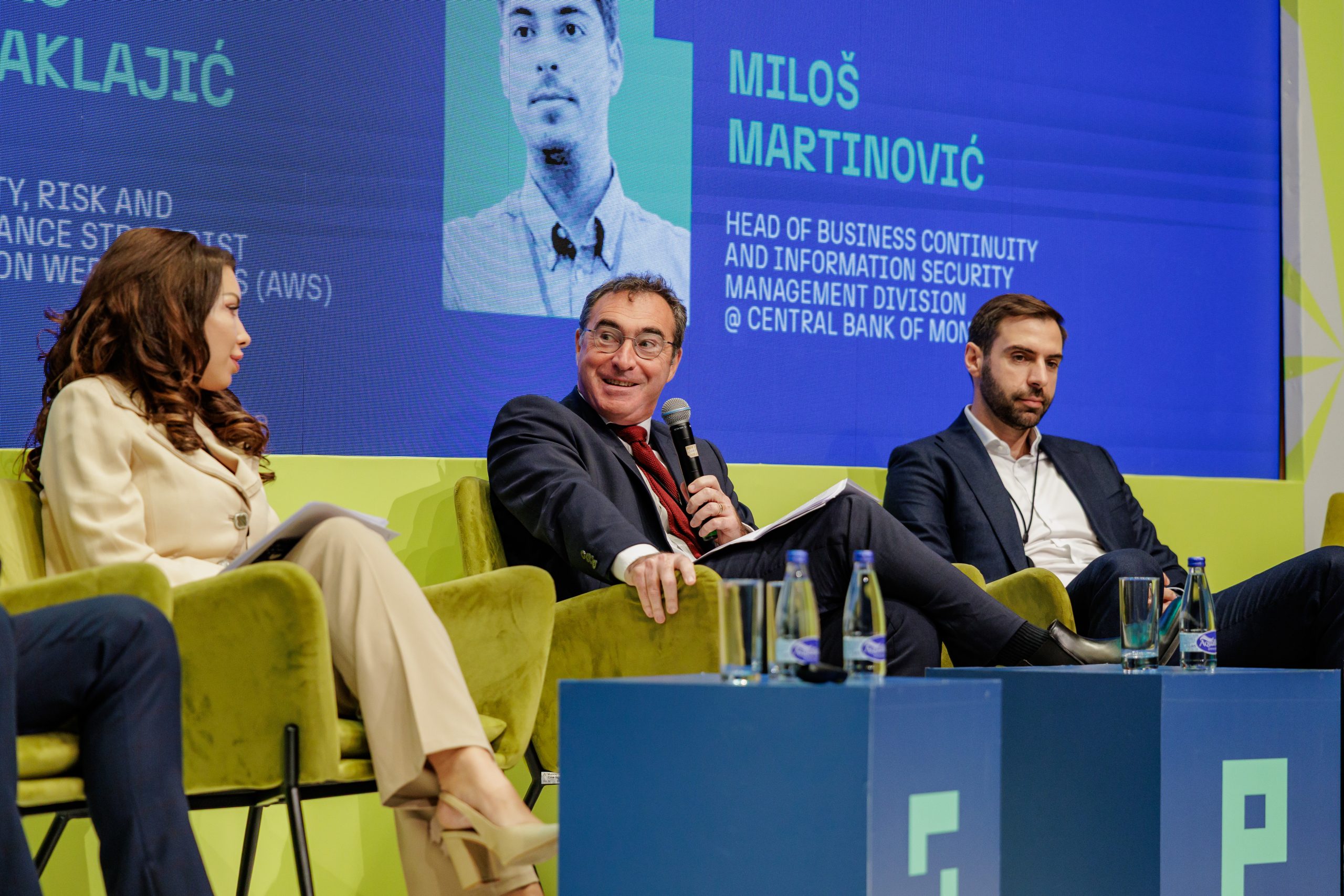
Miloš Martinović, Head of the Department for Business Continuity and Information Security at the Central Bank of Montenegro, presented plans for implementing the Digital Operational Resilience Act (DORA).
“We have drafted the first version of the Law on Digital and Operational Resilience for credit institutions, but the Financial Stability Council requested amendments and asked that insurance companies and investment funds be included, so we will have a law on digital and operational resilience covering the entire financial sector. Implementation will be challenging because banks have a cumbersome information security structure, especially those that are part of large foreign groups,” Martinović stated.
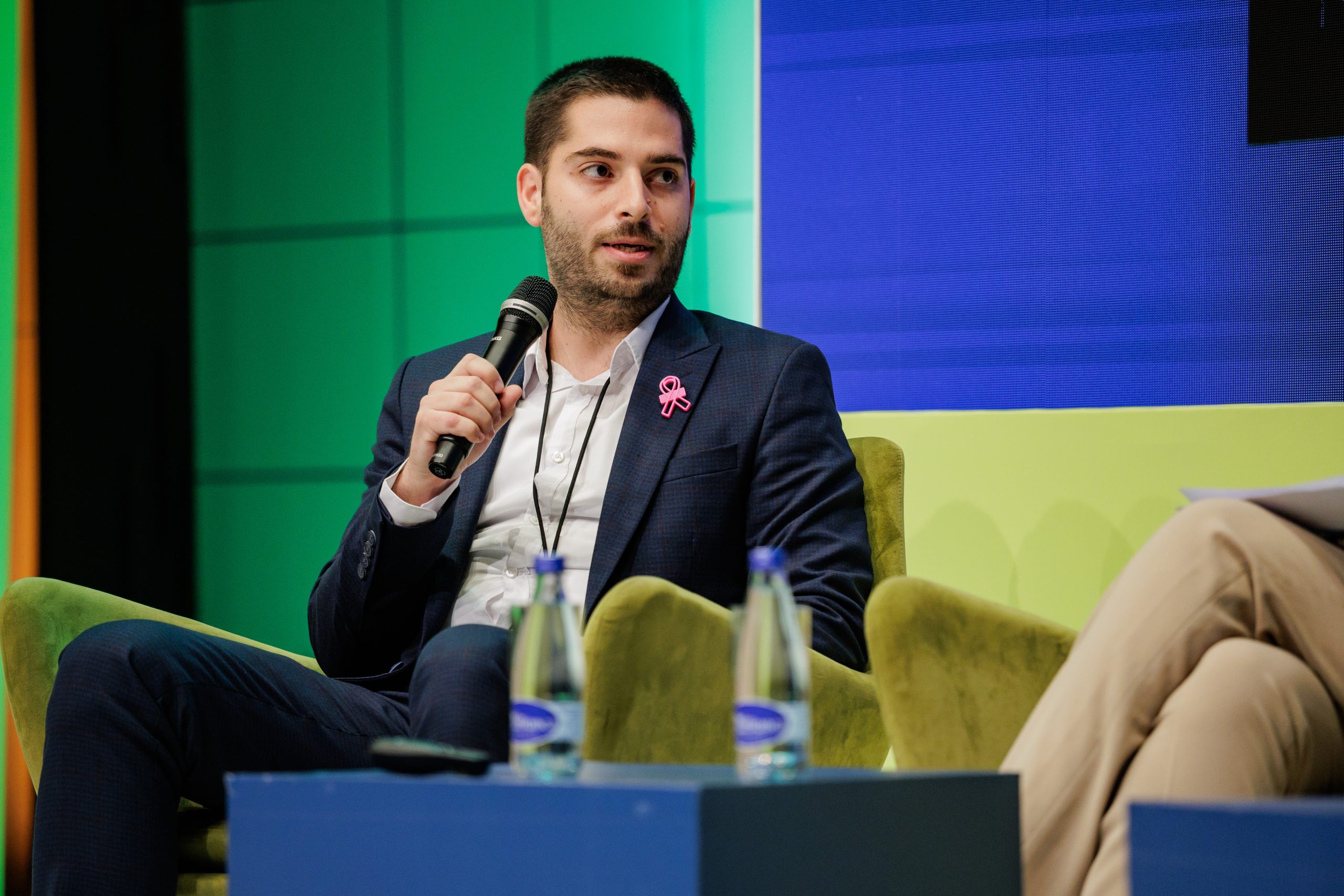
Gilles Schwoerer, Program Director and Head of the Western Balkans Cyber Capacity Centre (WB3C), stated that change in the cybersecurity sector needs to start at universities.
“We began with long training programs that lead to a diploma. In February, we will launch a bachelor’s program in Digital Forensics. We need people not only with diplomas, but also those who are ready to provide solutions to the problems faced by administrations, ministries, or companies in the cybersecurity sector. Practical exercises in this field are essential,” Schwoerer said.
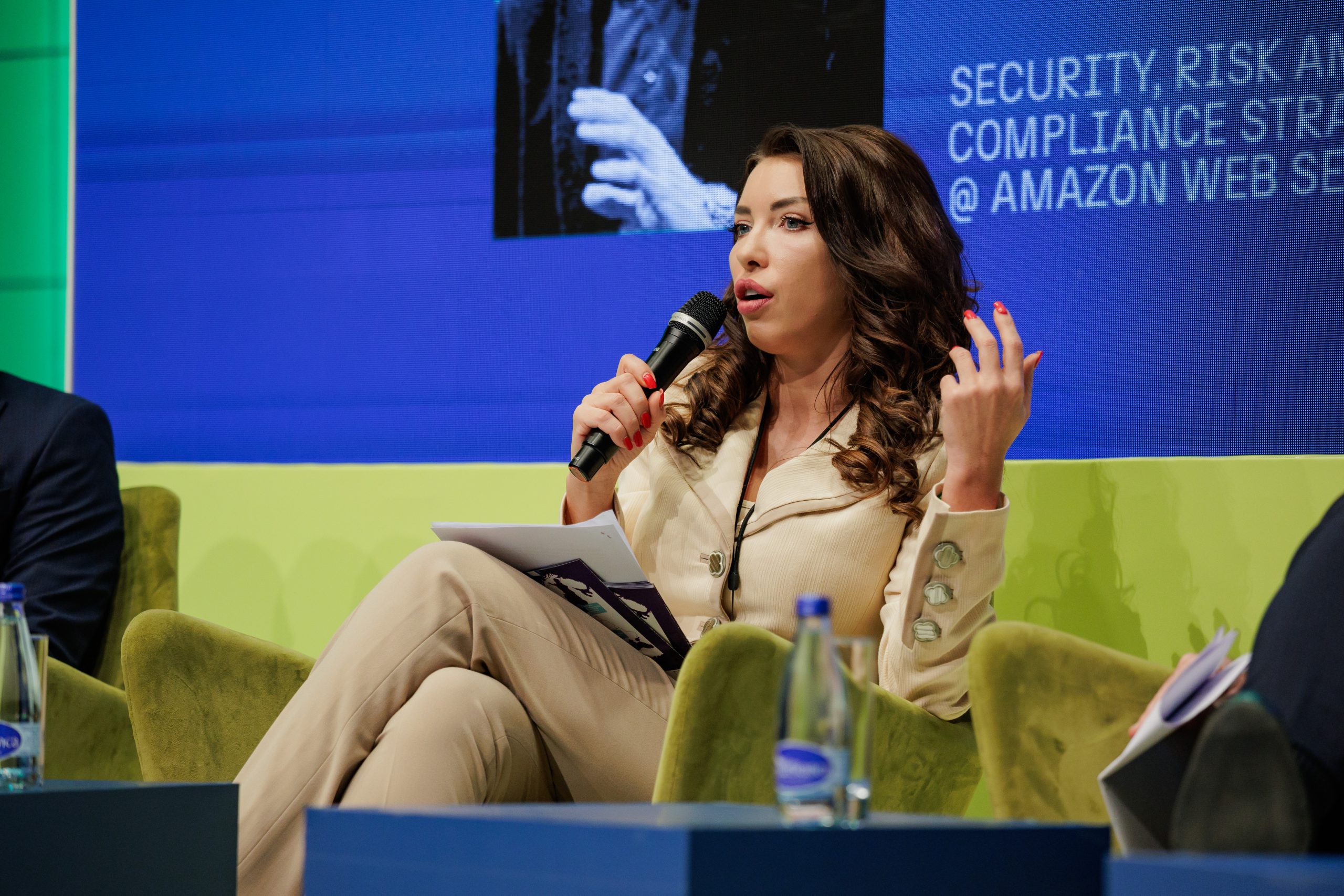
Duško Karaklajić, security and compliance expert at Amazon Web Services, drew attention to the localization of cybersecurity issues.
“European regulations are highly fragmented, which means that even though we have common regulations like DORA, there are always local specificities. It is important to know how to establish local regulatory standards to achieve resilience. These activities can range from workshops for policymakers to educational discussions. Partnership with the academic community is also crucial, and it is necessary to understand how to apply theoretical knowledge to real-life scenarios,” Karaklajić stated.
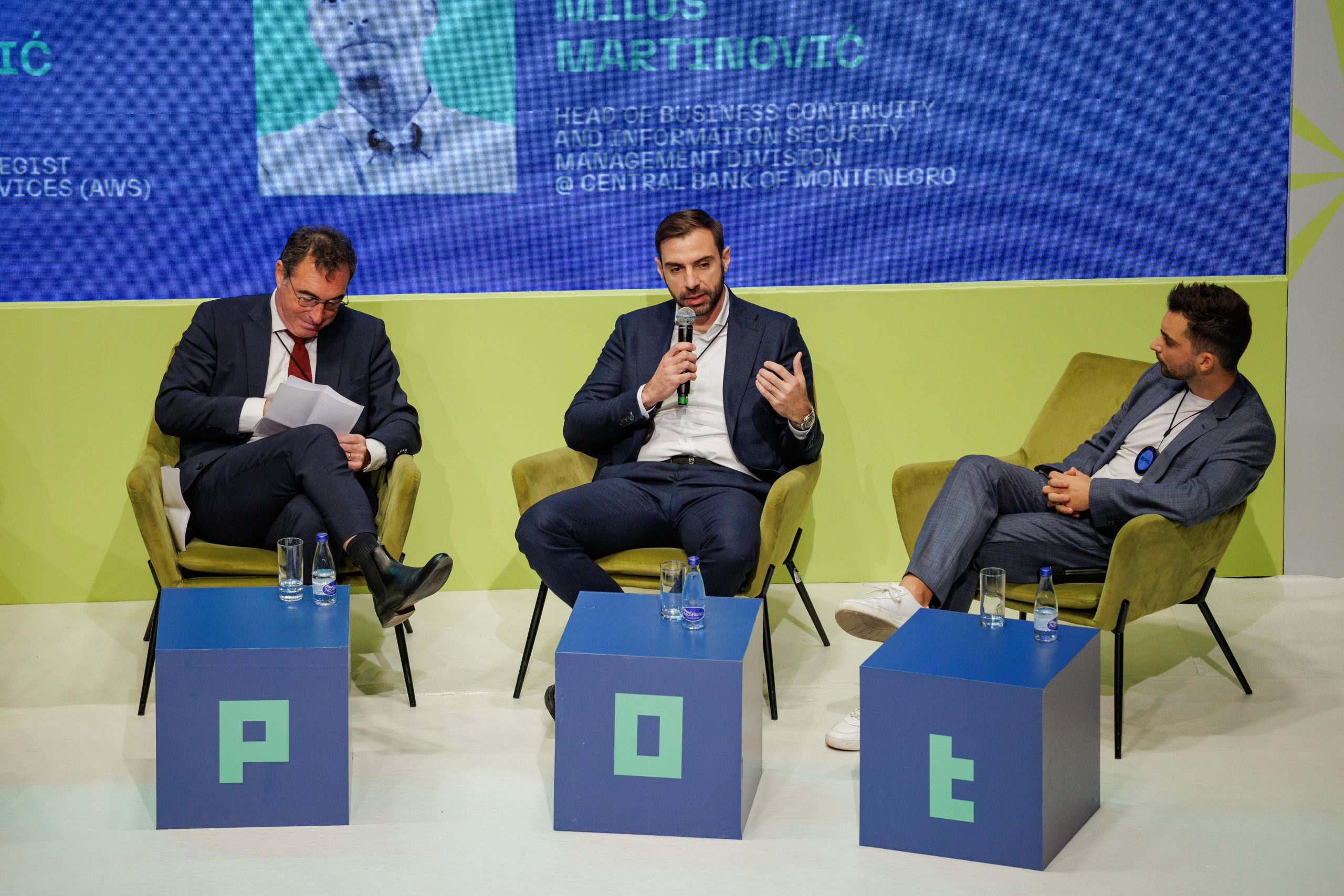
The final panel of the day was dedicated to the new generation of AI.
“Today, we do not use chatbots merely to answer questions within predefined limits; we are creating virtual agents that have autonomy and the ability to reason and learn from experience. The goal is for them to predict and respond, as well as to learn in order to generate new iterations of the same actions,” explained Vlada Sebastiao, Solutions Engineer at Cloudflare.
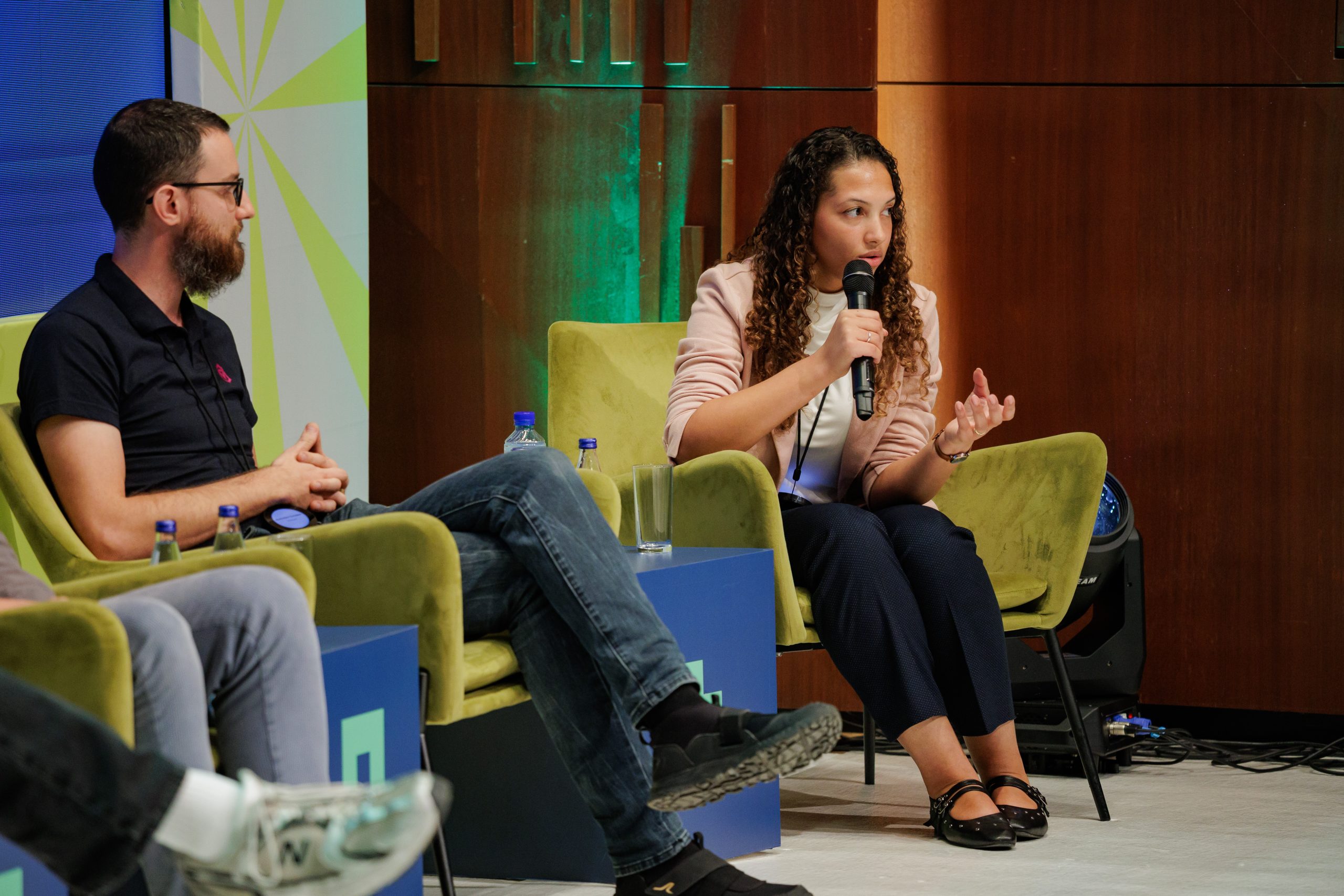
Boris Bilecki, Chief Solutions Architect at Backbase, explained how the new generation of AI has developed.
“First, we had chatbots; the next step was copilots and assistants—entities that had tools and could perform actions that you approved. Now, we have agents—entities that have their own ‘brains’ and access to tools, capable of remembering conversations, making decisions, and interacting with other agents,” Bilecki explained.
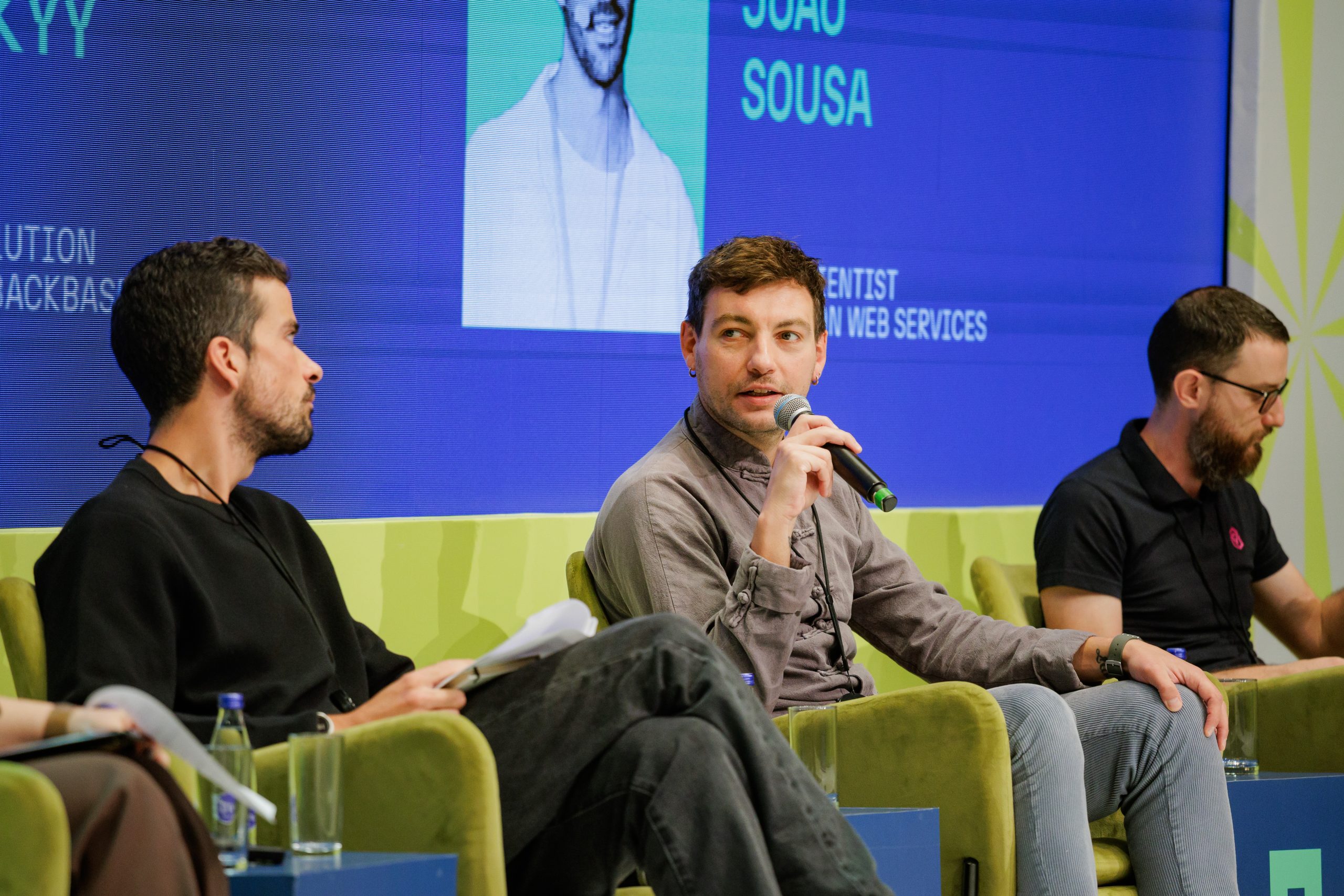
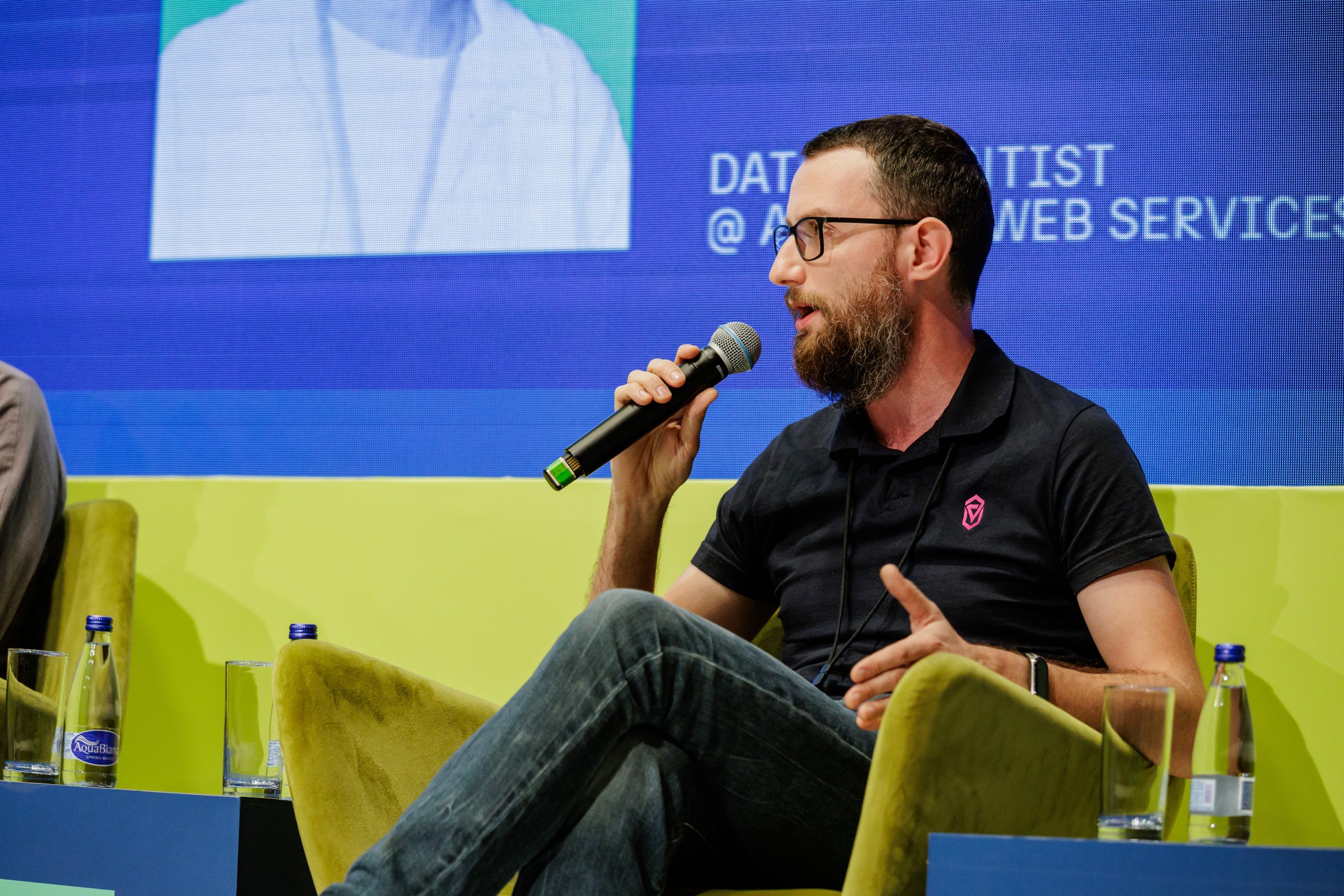
Joao Souza, Data Scientist at Amazon Web Services, pointed out that today systems are given enough autonomy to make decisions independently.
“Now we have systems that interact with the world through API calls and website navigation, which is all linked to the shift toward AI autonomy. The reason this is happening now is the improvement of infrastructure and the availability of models like GPT-4,” Souza explained.
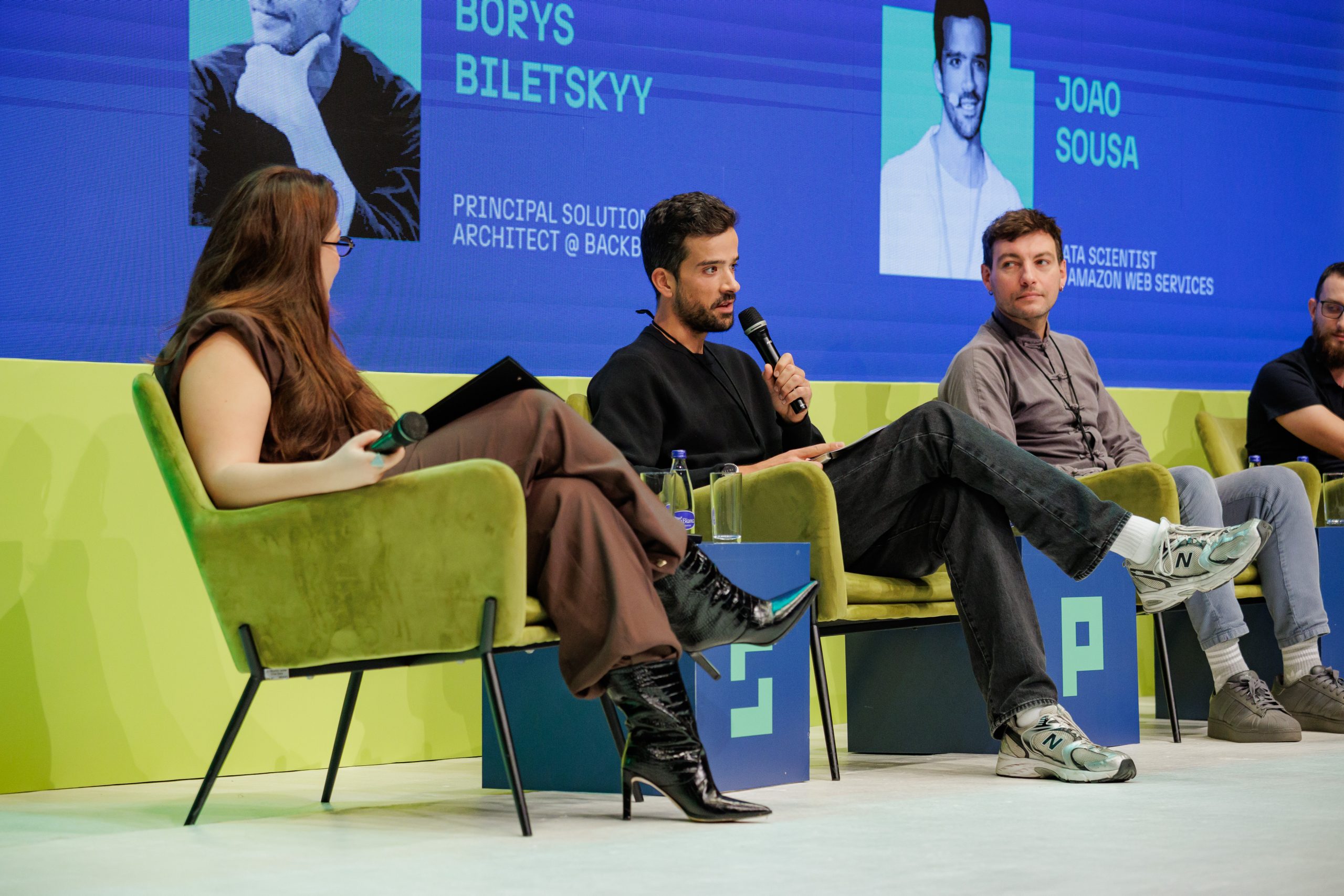
Radosław Sznajder, Head of Support at Voluum / Codevise, stated that they use artificial intelligence to handle the simplest repetitive questions daily, giving employees more time to focus on complex issues, clients, and personal development.
“The most important aspect of introducing any new technology is education. People should be allowed to experiment with AI bots. The more interactions they have with an AI model, the better they understand it and the less they fear it. The worst scenario is being uninformed. The better they understand artificial intelligence, the more they will see that AI is there to assist them, not replace them. The goal is not to lose jobs, but to make employees more productive. AI should do tasks for employees, not instead of them,” Sznajder emphasized.
The engaging panels and presentations at the third edition of the IT SPOT conference will continue tomorrow at the Montenegro Music Center, starting at 10 a.m.


